Strength training routine for beginners
Build a clear full-body plan with manageable exercises, sensible recovery, and small weekly changes that help you get stronger without rushing.
A strong plan you can repeat
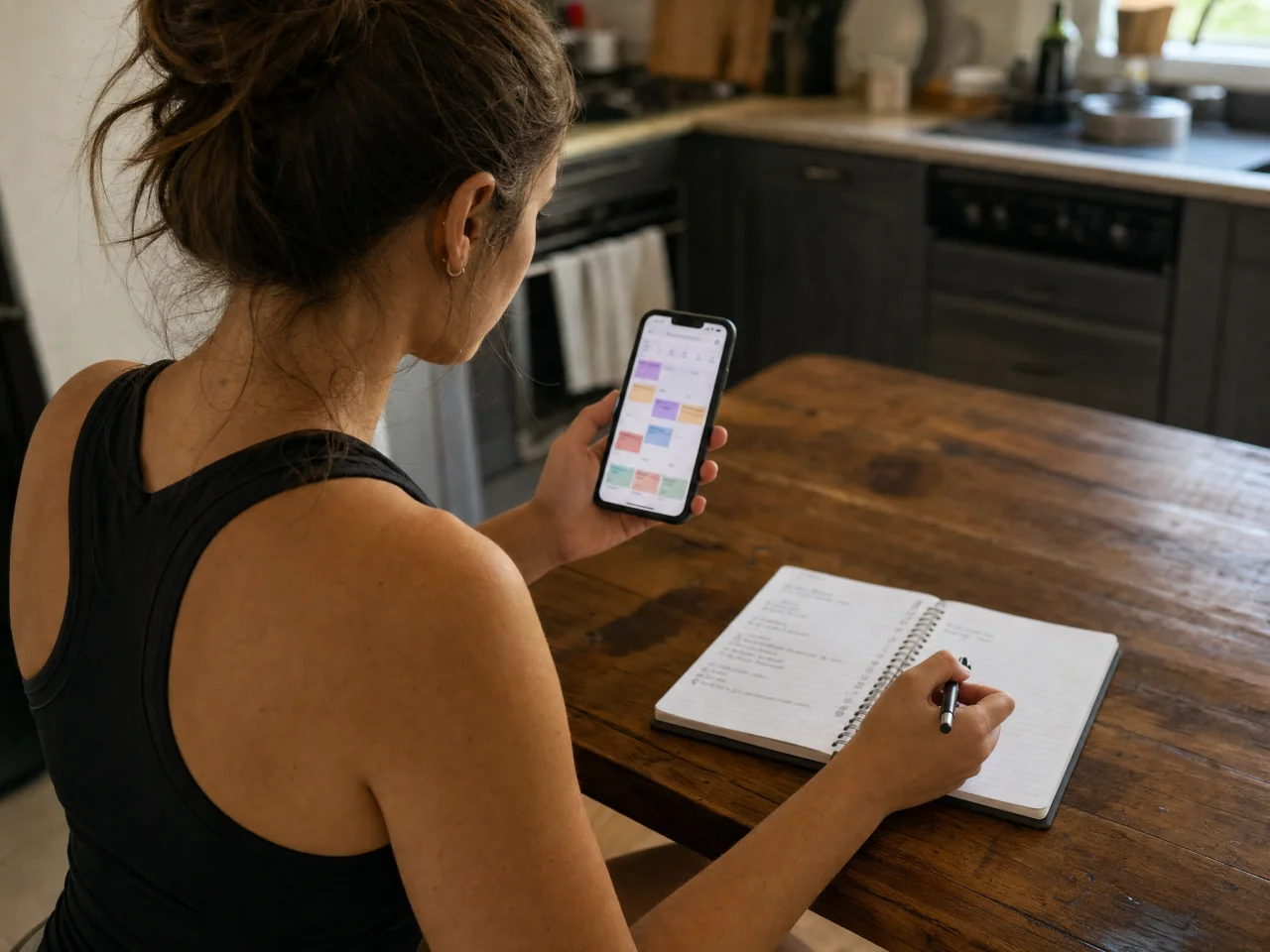
Strength training does not need to be complicated when you are new. A sound routine works your whole body, fits your week, and leaves room to recover before you add more.
ChatGPT can use your available days, session length, training location, and movement limits to build a clear first-week plan, then use your workout notes to suggest one safe change at a time.

What a beginner routine needs
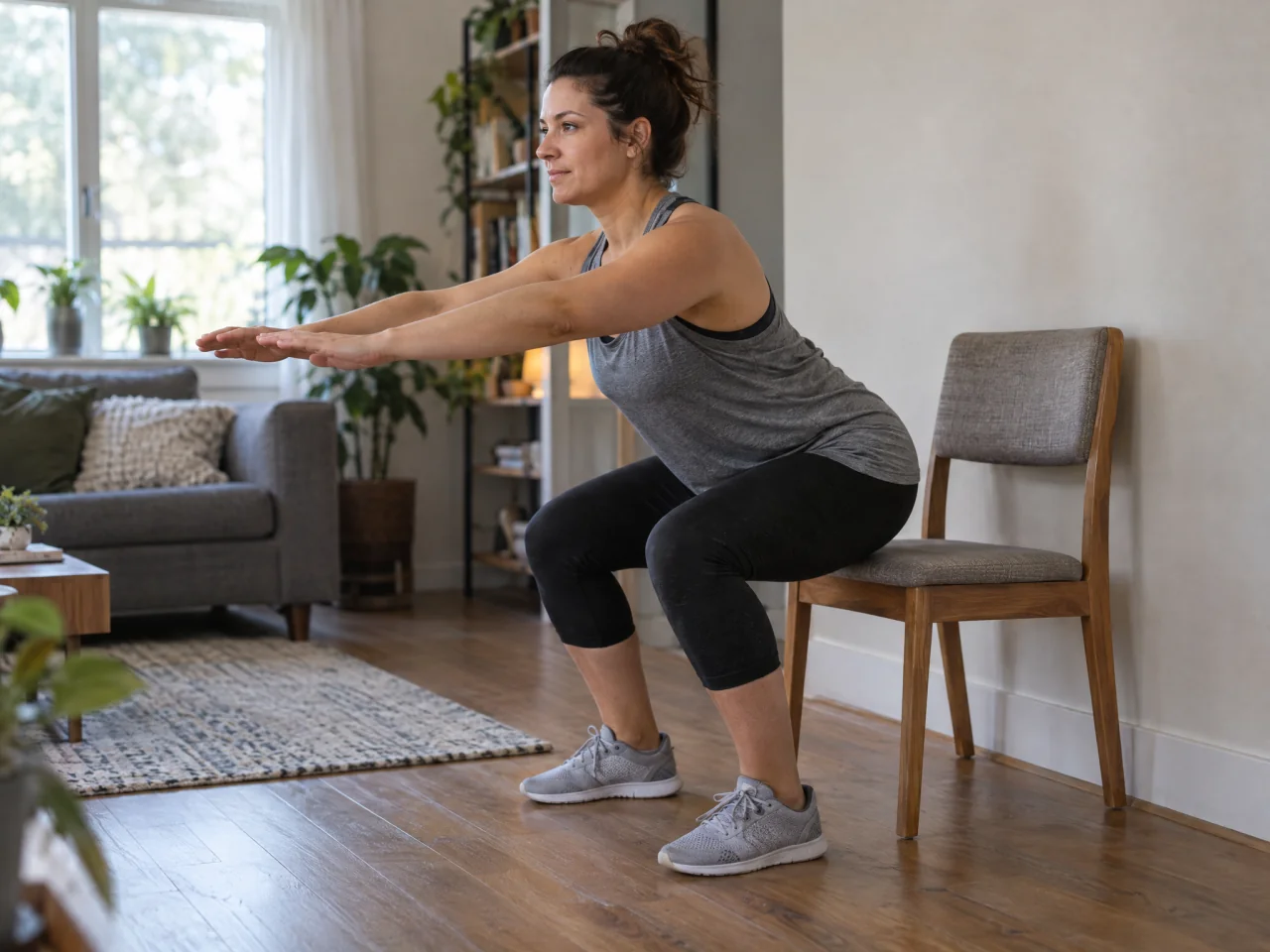
A balanced beginner strength routine includes a squat or sit-to-stand, a hip movement such as a glute bridge, a push such as a wall push-up, a row, and a core exercise such as a dead bug. Look for clear sets, reps, rest periods, recovery days, and a gradual progression rule—not just a list of exercises. ChatGPT can review a routine you are considering and show which beginner essentials it includes, what may be missing, and where the workload seems unclear.

A first-week plan that fits
Start with two short full-body strength sessions on nonconsecutive days, such as Monday and Thursday, leaving at least a day between them for recovery. For each exercise, a manageable starting point is one set of 8–12 controlled repetitions, resting 1–2 minutes between exercises and longer if needed. ChatGPT can ask about your schedule, training location, available equipment, and movement limits to create a first-week routine with exercise order, sets, reps, rest times, recovery days, and an easy starting effort.
A beginner strength session, step by step
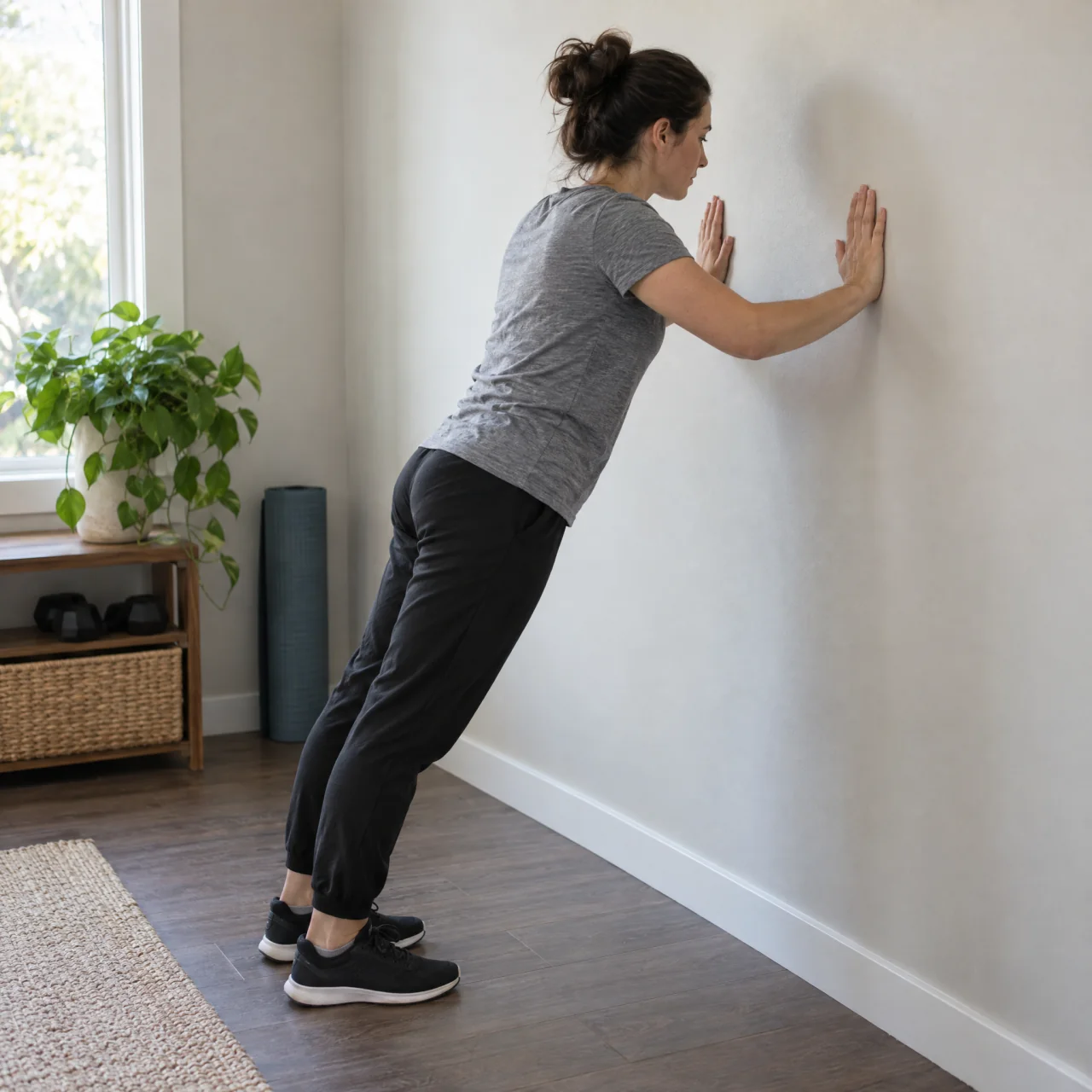
Try one set of 8 sit-to-stands, 8 glute bridges, 8 wall push-ups, 8 light seated cable rows, and 5 dead bugs per side, resting 1–2 minutes between exercises and finishing with two or three repetitions still possible. Stop for sharp pain, dizziness, chest pain, or unusual breathlessness; get urgent medical help for chest pain or severe breathing difficulty, and qualified guidance for persistent or recurring symptoms. ChatGPT can walk through this example session with setup cues, breathing tips, and easier alternatives for each exercise.
A simple weekly progress check
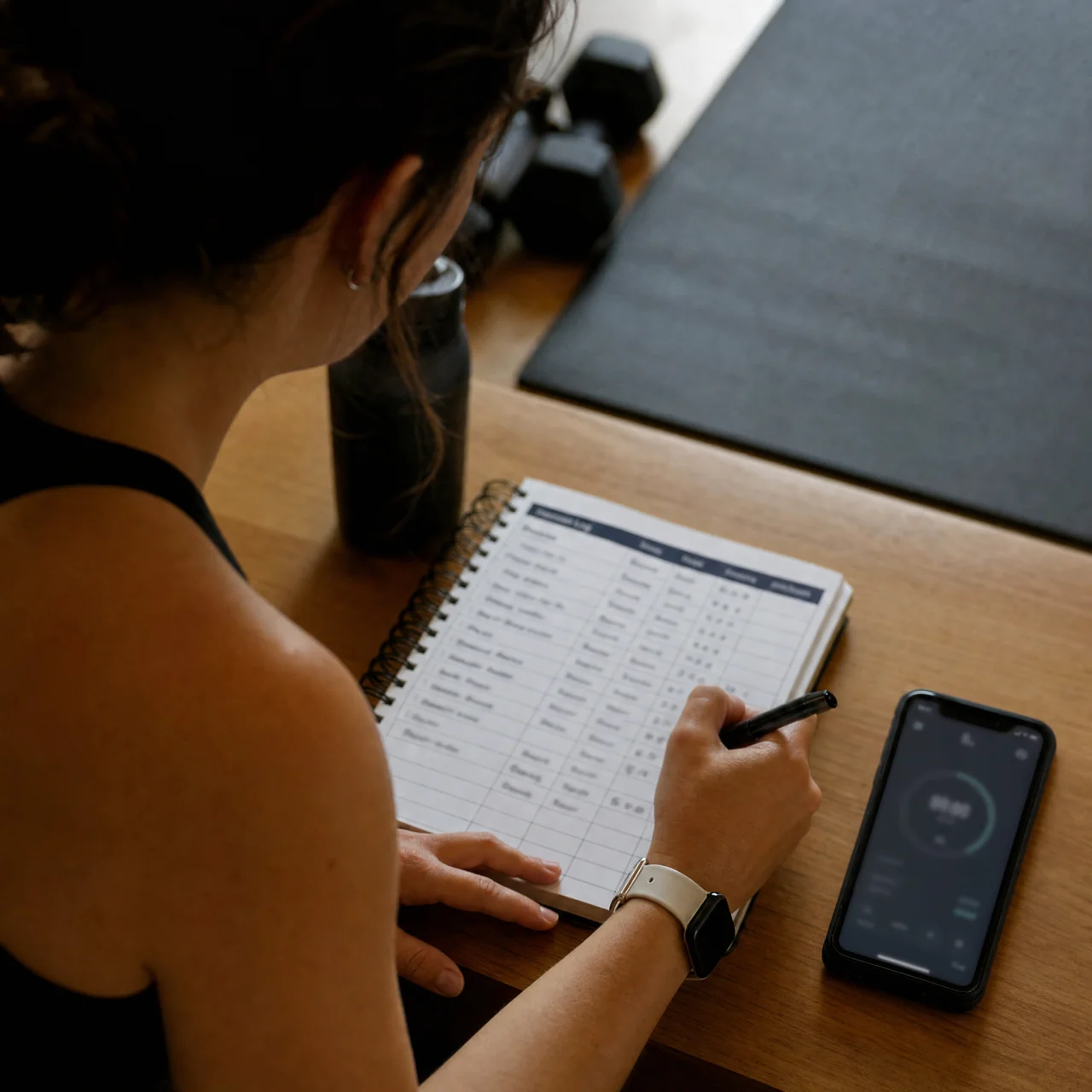
Record each exercise, resistance or variation, sets, reps, effort, and any discomfort so you can compare strength sessions. If every set feels controlled with a few repetitions still possible across two sessions, try adding one repetition per set within your planned range; otherwise, repeat the workload or reduce it if form or recovery suffers. ChatGPT can use your workout notes, including resistance or exercise variations, effort, discomfort, and next week’s schedule, to suggest whether to repeat, reduce, or slightly increase the workload.
問問 ChatGPT

Fit strength into your whole week
You now have a way to start strength training. Place those sessions alongside other movement and rest to build an active week that supports energy and recovery.